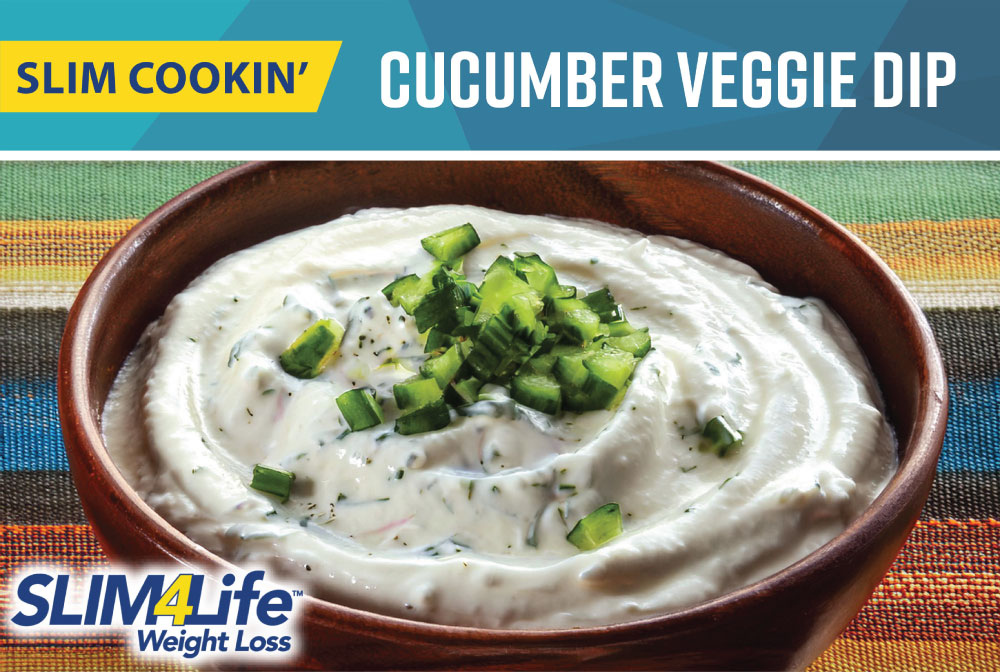
A salad can be fresh, colorful, and full of vegetables, yet the wrong dressing can quietly add extra calories, sugar, or fat. The good news is that you do not need to skip dressing. Low-calorie salad dressing for weight loss can add plenty of flavor while helping you keep portions in check. With a few simple choices, salads can become more filling, balanced, and enjoyable.
Why Does Dressing Matter More Than You Think?
Salad greens are usually light, but dressing can change the nutrition of the whole meal. Creamy sauces, sweet blends, and large portions may add more calories than expected. Harvard Health notes that dressings can add fat, sugar, and calories to an otherwise healthy salad, which makes portion awareness important.
That does not mean dressing is bad. In fact, a flavorful dressing can make vegetables much easier to enjoy. The goal is to choose ingredients wisely and use enough for taste without covering the entire bowl.
A simple homemade dressing can be a smart option because you control what goes into it. Mayo Clinic, for example, shares a basic Italian dressing made with olive oil, vinegar, lemon juice, mustard, and herbs. One tablespoon provides about 48 calories.
Start With a Simple Base
The easiest dressings often use a few everyday ingredients. Vinegar or lemon juice can bring brightness, while a small amount of olive oil can add richness. Fresh herbs, garlic, mustard, black pepper, or a little yogurt can bring more taste without making the recipe complicated.
You do not need a long ingredient list. A simple mix can work beautifully. Start small, taste it, and adjust the flavor. This makes homemade dressing less stressful and easier to fit into a busy routine.
What Makes a Dressing More Weight-Loss Friendly?
A helpful dressing does not need to be completely fat-free. Healthy fats can have a place in a balanced eating pattern. Mayo Clinic notes that unsaturated fats from plant sources are generally a better choice than foods high in saturated fats.
The bigger issue is quantity and overall balance. A dressing with nutritious ingredients can still add a lot of energy when poured freely. That is why measuring a serving can be useful, especially when you are working toward a calorie goal.
Easy Ingredients That Add Big Flavor
You can make a salad taste exciting without relying on heavy sauces. Try bright ingredients that wake up the vegetables and create a fresh finish.
Some simple choices include:
- Lemon or lime juice for a sharp, fresh taste
- Vinegar for tang and balance
- Dijon mustard for a little kick
- Fresh parsley, basil, dill, or cilantro
- Garlic or roasted garlic for deeper flavor
- Plain Greek yogurt for a creamy texture
- Black pepper, paprika, or chili flakes for extra flavor
The best combination depends on the salad. A citrus dressing may work well with spinach and fruit, while a mustard vinaigrette may pair nicely with chicken and crunchy vegetables.
Keep Portions Small but Satisfying
One of the easiest ways to make a dressing more suitable for a weight-management plan is to pay attention to the serving size. The American Heart Association recommends keeping a salad-dressing serving to no more than two tablespoons.
Try measuring the dressing instead of pouring it straight from the bottle. It takes only a few seconds, but it can help you understand how much you are actually using.
Build a Salad That Keeps You Full
Dressing is only one part of the meal. A bowl filled with vegetables can be nutritious, but adding protein and other satisfying foods can make it more complete.
Try combining leafy greens with grilled chicken, eggs, beans, tofu, fish, or another protein you enjoy. Add colorful vegetables, and consider a small amount of nuts, seeds, avocado, or whole grains when appropriate. Mayo Clinic also recommends combining vegetables with protein, grains, nuts, or seeds to create a more satisfying salad. This approach can help turn a simple side salad into a practical meal.
Try These Healthy Flavor Combinations
You do not have to eat the same salad every day. Changing the dressing can make familiar ingredients feel completely different. For a fresh option, try lemon juice, a little olive oil, mustard, and black pepper. For something creamy, plain Greek yogurt can be mixed with lemon juice, herbs, and garlic. A simple balsamic blend can also work well with tomatoes, greens, chicken, or roasted vegetables.
These healthy salad dressing ideas can keep meals interesting while helping you avoid heavy sauces that may contain extra sugar, sodium, or saturated fat. Harvard Health also recommends simple oil-and-vinegar combinations and paying attention to serving size.
Common Mistakes That Can Hold You Back
A healthy salad can become less balanced when the toppings keep piling up. Large amounts of cheese, croutons, creamy dressing, sweet toppings, and fried ingredients can quickly raise the calorie content.
Watch for these common habits:
- Pouring dressing without measuring
- Choosing a dressing only because the label says “light”
- Adding several high-calorie toppings at once
- Turning every salad into a very small meal
- Avoiding all fats instead of choosing better portions
The answer is not to make food feel strict. Instead, aim for balance. A satisfying salad should still taste good and leave you comfortable after the meal.
A Small Change Can Make Salads Easier to Enjoy
Weight management does not require perfect meals every day. Simple choices can add up. Using a flavorful dressing, measuring a sensible portion, and building a balanced salad can help you enjoy vegetables without making food feel boring.
For personalized nutrition and weight-management support, Slim4life can help you explore practical habits that fit your routine rather than relying on overly strict food rules.
Make Flavor Part of Your Healthy Routine
When a salad feels bland, it can be tempting to skip it altogether. A tasty dressing can solve that problem. The key is to use flavor wisely and keep the full meal in balance.
A low-calorie salad dressing for weight loss can be part of a healthy eating routine when you pay attention to ingredients, portions, and the rest of the meal. There is no need to remove flavor to make better choices. Start with simple ingredients, taste as you go, and build meals you genuinely enjoy.
Conclusion
A healthy salad does not have to mean a boring bowl of plain greens. Start with a problem—bland flavor or oversized portions—and solve it with simple ingredients, smart portions, and balanced toppings. With the right approach, salads can become an enjoyable part of a realistic weight-management routine rather than another food rule to follow.
Ready to make everyday meals easier and more balanced? Connect with Slim4life for practical weight-management guidance tailored to your goals. For more information or support, call 1-833-754-6863 or email service@slim4life.com.