What Should You Look for in the Best Protein Bars for Weight Loss? Choosing a protein bar for weight loss involves more than checking the protein number. The best protein bars for weight loss should fit your meals, hunger level, calorie needs, and daily routine. Look for a useful amount of protein, enough fiber, reasonable calories, and less added sugar. A quick label check can make snack choices much easier.
Start With the Protein Amount
Protein can help you feel full and can support muscle when combined with a healthy diet and regular activity. That does not mean more protein is always better. The right amount depends on your overall diet and personal needs.
When choosing a bar, look at the protein listed on the nutrition label. Then think about what else you are eating that day. A bar can be useful after exercise, between meals, or when you need a quick option. It should support your eating plan instead of replacing balanced meals all the time.
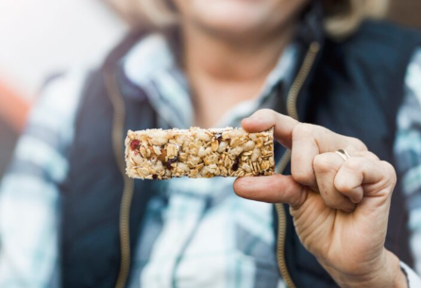
Calories Still Matter
A protein bar can sound healthy but still contain a lot of calories. For weight management, total calorie intake still matters. A bar with a large amount of protein may not be the best fit if it also contains a lot of added sugar, fat, or other high-calorie ingredients.
Check the serving size first. Some packages contain more than one serving. Then look at the full nutrition label instead of focusing on one number. A simple goal is to choose a bar that gives you useful nutrition without using a large part of your daily calorie needs.
Fiber Can Help You Stay Full
Fiber is another helpful part of a balanced snack. Foods with fiber can help support fullness and normal digestion. Some protein bars contain fiber from nuts, seeds, oats, fruit, or added fiber ingredients.
When comparing bars, check the fiber amount on the label. A bar with both protein and fiber may keep you satisfied longer than a bar made mostly from sugar. Still, more fiber is not always better for everyone. A sudden increase in fiber can cause stomach discomfort for some people, so choose an amount that fits your usual diet.
Watch the Added Sugar
Sweet taste does not always mean better nutrition. Some protein bars contain a lot of added sugar, which can raise the calorie count without adding much filling power. Look at the nutrition label for “added sugars.” This can help you compare two bars that look similar on the front of the package.
You do not need to avoid every gram of sugar. The bigger goal is to choose a bar that fits your overall eating pattern. A lightly sweet bar may be enough to satisfy a snack craving without turning a small snack into a full dessert.
Choose a Bar That Fits Your Daily Routine
The right protein bar is one you can actually use. If you keep a bar in your bag for busy mornings, choose one that travels well. If you need a snack after exercise, look for a bar that gives you protein without feeling too heavy.
Think about when you usually get hungry.
A bar may work well:
- Between meals.
- Before or after a workout.
- During travel.
- On busy workdays.
- When a balanced meal is not available right away.
This makes the bar part of a routine instead of a random food choice.
Not Every Protein Bar Is a Weight-Loss Food
A protein bar can be convenient, but it is still a processed food. Some bars are closer to candy bars with added protein than balanced snacks. Others can be quite nutrient-dense. That is why the label matters.
For weight management, a bar should work alongside meals built around foods such as vegetables, fruits, whole grains, lean proteins, and other nutrient-rich choices. A protein bar is a tool. It is not a complete weight-loss plan.
Texture and Taste Can Affect Your Choices
Nutrition matters, but enjoyment matters too. If a bar tastes unpleasant or has a texture you dislike, you may stop eating it even if the nutrition label looks good.
Try a few options and notice how each one makes you feel. Some bars are chewy. Others are crunchy. Some have a soft center or a coating. Choose an option that feels satisfying without making you want to eat several bars in one sitting.
Sugar Alcohols and Other Sweeteners Need Attention
Some low-sugar protein bars use sugar alcohols or other sweeteners to keep the bar sweet. These ingredients can lower the amount of sugar, but some people may experience gas, bloating, or stomach discomfort after eating large amounts.
If you notice digestive problems after eating a certain bar, check the ingredient list and try another option. Reading labels becomes especially useful when a product contains several sweeteners.
Healthy Snacks Should Still Feel Satisfying
A snack that leaves you hungry again 20 minutes later may not be very useful. This is where the balance of protein, fiber, fat, and total calories can matter.
For some people, pairing a protein bar with fruit or another whole food may make the snack more filling. You can also compare bars with other healthy protein snacks, such as Greek yogurt, eggs, cottage cheese, nuts, or other protein-rich foods that fit your eating plan. The best option is the one that works for your needs and keeps your overall diet balanced.
How Can Coaching Help You Choose Better Snacks?
Food choices can become confusing when every package makes a different health claim. A coach can help you look at the full picture instead of focusing on one product.
This may include your meal pattern, hunger, activity level, goals, food preferences, and daily schedule. Slim4life can help people build a more practical approach to weight management by focusing on habits that can fit real life. A personalized plan can also help you decide when a protein bar makes sense and when a regular meal or whole-food snack would be a better choice.
Simple Label Checks Can Make Shopping Easier
You do not need to spend ten minutes reading every package. Start with a few simple checks. Look at protein. Check calories. Review fiber. Look at added sugar. Then scan the ingredient list for foods or sweeteners you want to avoid. Also check the serving size.
These five steps can make label reading much easier. Over time, you may learn which bars fit your goals quickly without having to study every package.
Avoid Thinking of One Food as a Shortcut
Weight loss does not come from one special food. A protein bar cannot create results on its own. Healthy weight management usually depends on a wider pattern that includes food choices, activity, sleep, stress, and other daily habits. That is why it helps to think of protein bars as one small part of the plan.
Conclusion: Choose the Bar That Fits Your Plan
The best protein bars for weight loss are not necessarily the ones with the highest protein number or the most impressive package claims. A better choice is one that provides useful protein, has a sensible calorie level, offers fiber, keeps added sugar reasonable, and fits your taste and routine. Read the full label. Think about when you will eat the bar. Compare it with other snack choices. Most of all, make sure it fits the rest of your eating plan.
Ready to make smarter snack choices? Contact Slim4life to discuss your weight-management goals and learn how simple food choices, balanced meals, and practical routines can work together. A better plan does not have to be hard; it just needs to fit your real life.