
Trying to manage weight can feel confusing when shelves and websites are filled with products that promise quick results. Before adding anything new, it is important to understand what the product contains, how it fits your routine, and whether it is right for you. Weight loss supplement products may support a healthy plan, but they should not replace balanced food, regular activity, or professional guidance.
Why Should You Look Beyond the Product Label?
A supplement may look like an easy answer, but the label does not tell the whole story. Different products contain different ingredients, amounts, and combinations. Some may be designed to support appetite control, energy, digestion, or other parts of a healthy routine.
The first step is to understand what you are actually taking. Read the ingredient list and serving instructions carefully. Avoid products that make extreme promises or suggest that weight loss will happen without healthy habits. A simple rule can help: if a claim sounds too good to be true, take a closer look before making a choice.
What Ingredients Should You Check?
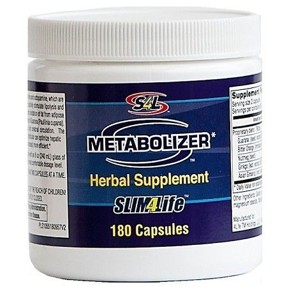
Reading the ingredient list is one of the easiest ways to make a more informed decision. You should know what is in a product before adding it to your daily routine. Pay attention to the active ingredients, serving size, and amount provided per serving. Also check for caffeine or other stimulants if you are sensitive to them.
It can also help to research an ingredient from trusted health sources rather than relying only on advertisements or online reviews. If something is unclear, ask a qualified health professional before using the product.
Can Supplements Replace Healthy Habits?
No. A supplement should not be treated as a replacement for healthy food, movement, sleep, or other basic habits.
Weight management is usually easier to support when daily choices work together. A balanced eating pattern can provide important nutrients. Regular activity supports strength and fitness. Good sleep and stress management can also make healthy routines easier to follow. A supplement may fit into that plan for some people, but it should be viewed as one small part of a bigger picture.
How Can You Tell if a Product Fits Your Routine?
Your daily routine matters when choosing any supplement. A product that is difficult to use may quickly become something you forget. Think about when you would take it, how often you need it, and whether the instructions are easy to follow. Check the serving size and storage directions as well.
Most importantly, think about your personal needs. Your age, health history, medicines, allergies, and other supplements can affect whether a product is suitable.
What Should You Know About Safety?
Natural does not always mean risk-free. Some supplement ingredients can interact with medicines or cause unwanted effects. For this reason, it is wise to speak with a doctor, pharmacist, or other qualified health professional before starting a new supplement, especially if you take prescription medicines or have an ongoing health concern.
Do not take more than the suggested serving. More is not always better, and increasing the amount can increase the chance of unwanted effects.
Which Signs Suggest You Should Stop and Ask for Help?
Your body can give you useful signals when something does not feel right. Do not ignore a new or unusual reaction after starting a supplement.
Watch for signs such as:
- Upset stomach or unusual digestive problems
- Headaches or dizziness
- Changes in sleep
- Feeling unusually nervous or restless
- A fast or uncomfortable heartbeat
- Signs of an allergic reaction
If you experience a serious or concerning reaction, stop using the product and seek appropriate medical care.
Why Does Quality Matter When Choosing a Supplement?
Quality should be part of your decision. A product should have clear labeling and provide useful information about its ingredients and recommended use. Look for a reputable manufacturer and avoid products with vague labels or dramatic claims. Be careful with products that promise very fast results or suggest that you can lose weight without changing your habits.
It is also helpful to remember that dietary supplements are not the same as prescription medicines. Their role and evidence can vary from one product to another.
How Can Supplements for Weight Management Fit Into a Bigger Plan?
Supplements for weight management may have a place in some wellness plans, but the best approach starts with realistic goals and healthy daily habits.
Instead of looking for one product to solve everything, focus on a routine you can maintain. Small changes can add up over time. Eating nutritious meals, staying active, drinking enough water, and getting enough sleep can provide a stronger foundation for long-term weight management.
Professional guidance can also help you decide whether a supplement makes sense for your personal goals.
What Questions Should You Ask Before Starting?
Taking a few minutes to ask the right questions can help you make a safer choice.
Consider these points:
- What is the main purpose of this product?
- What are the active ingredients?
- How much should I take?
- Could it interact with my medicines?
- Do I have any reason to avoid a certain ingredient?
- Is the product easy to use as part of my routine?
- What does reliable research say about its ingredients?
These questions can help you move past marketing claims and focus on useful information.
How Can Professional Guidance Make the Process Easier?
Choosing a weight management plan can feel overwhelming when you are not sure where to begin. A structured approach can make each step clearer.
Slim4life can help individuals look at weight management as part of a broader health and wellness plan rather than focusing on a single product. The right support can help you understand your options, set practical goals, and build habits that are easier to maintain. The goal should always be progress that fits your needs and daily life.
Make an Informed Choice for Your Routine
Choosing a supplement does not have to be confusing. Start by checking the ingredients, understanding the product’s purpose, and considering how it fits with your daily habits and health needs. Weight loss supplement products should be viewed as one part of a broader approach rather than a standalone solution. A balanced routine and the right guidance can provide a stronger path toward healthy weight management. Take your next step with care, choose options that fit your needs, and seek professional support when you need it.